Collective.

/Insights

Insights17 June 2026 · 5 min read

WordPress vs Headless Websites: Which Is Right For Your Business?

If you're wondering whether you need a headless website, the answer is probably no.

TL;DR

But before all the developers come for me, hear me out.

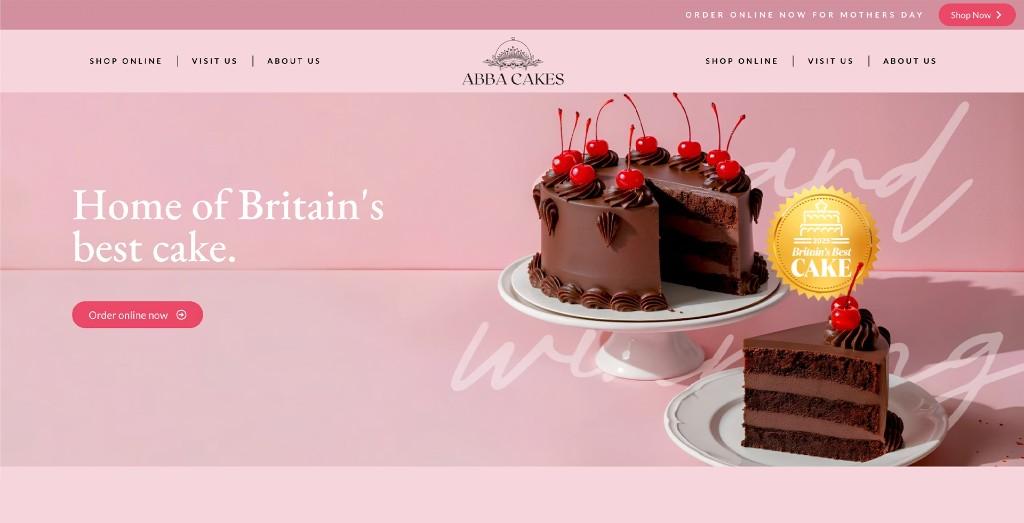
Headless can be brilliant. We've built them. We recommend them in the right situations. We even rebuilt the Abba Cakes website using a headless setup.

The problem is that somewhere along the way, the conversation became about technology instead of outcomes.

And in my experience, most businesses don't actually have a WordPress problem.

They have a website problem.

The Rebuild Conversation

A few weeks ago I was speaking to somebody who was convinced their website needed rebuilding.

Not refreshing.

Not improving.

Completely rebuilding.

The reason?

Someone had told them WordPress was old and they needed to move to a newer framework.

When I asked what wasn't working on the website, they couldn't really answer.

It wasn't slow.

It wasn't crashing.

It wasn't losing data.

It just wasn't generating many enquiries.

Technology Isn't The Fix

Now here's the interesting bit.

Changing the technology underneath a website doesn't automatically make it better at generating enquiries.

I know that's not the sexy answer.

But it's true.

The amount of businesses I've seen spend thousands rebuilding a website only to discover they're still struggling with the exact same problems is incredible.

Because the technology was never the issue in the first place.

Start With The Problem

What problem are you trying to solve?

That's why whenever somebody asks us whether they should go headless, we usually ask a completely different question.

Because that's the bit that matters.

Not Next.js.

Not WordPress.

Not whatever framework is currently trending on LinkedIn.

The problem.

See how this played out in practice.

Common Questions

Do I need a headless website?

Probably not — at least not as a default. Headless setups make sense when you need greater performance, flexibility, or a specific digital experience that traditional WordPress can't deliver cleanly. But if the underlying issue is unclear messaging, poor conversion paths, or a website that doesn't reflect the business, switching architecture alone won't fix it.

Is WordPress outdated?

No. WordPress remains a capable, widely supported platform — and modern WordPress can be fast, secure, and scalable when built properly. The question isn't whether WordPress is old. It's whether your website is solving the right problems for your business.

When is headless the right choice?

Headless tends to make sense when you need faster front-end performance, want to publish content across multiple channels, or are building a more complex digital product — e-commerce platforms, customer portals, or highly customised experiences. We've used headless for projects like Abba Cakes where the business needed both a modern customer-facing site and connected internal systems.

What's the difference between WordPress and headless?

Traditional WordPress combines the content management system and the front-end website in one platform. A headless setup separates them — WordPress (or another CMS) manages content in the backend, while a modern framework like Next.js delivers the front-end experience. That separation can improve performance and flexibility, but it also adds complexity. The right choice depends on what you're trying to achieve, not what's trending.

Start with clarity

Start with clarity.

If your brand, content, or digital presence isn't quite where it should be, let's fix that. Tell us a bit about where you're at and what you're aiming for and we'll take it from there.